Discover True Quality and Distinct Flavors
As Americans who love specialty coffees, we feel Peruvian coffees are some of the best hidden treasures in the world – that’s why we’re launching PeruBrew.com to bring authentic, region-specific Peruvian specialty coffees, teas, and cacao directly to you. Peru’s coffee is renowned worldwide for its clean, balanced taste and complexity, thanks to unique growing conditions: high altitude, microclimates and sustainable organic) practices among other benefits (see below)…
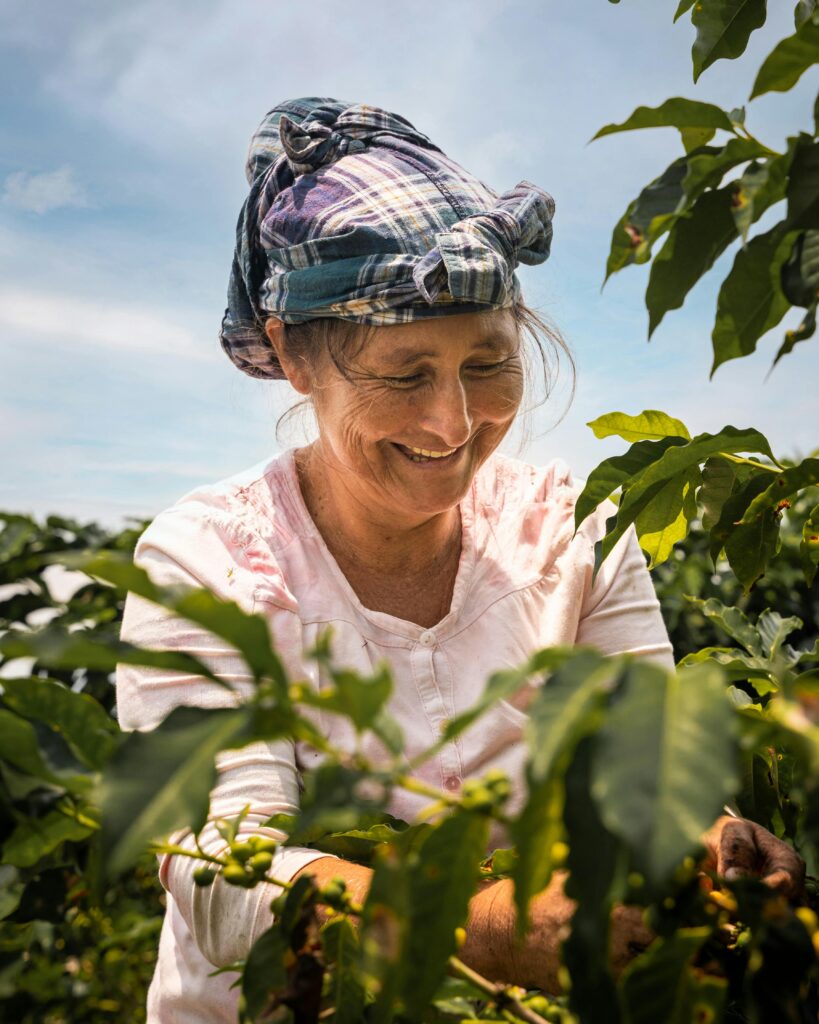
Key Factors Behind Peruvian Coffee’s Excellence
- High Altitude: Grown above 1,200m in the Andes (often 1,300-2,400m), cooler temperatures slow maturation for denser, more flavorful beans.
- Rich Terroir: Volcanic soils, ample rainfall, and natural mountain shade boost flavor development.
- Shade-Grown Tradition: Under forest canopies, promoting biodiversity and richer tastes.
- Premium Arabica: Focus on high-quality varieties, with Peru leading in organic production.
- Balanced Profiles: Clean cups with notes of chocolate, caramel, nuts, citrus, and floral hints – versatile for espresso, pour-over, and more.
- Sustainable Farming: Smallholders use traditional, eco-friendly methods that appeal to conscious consumers.
Microclimates create distinct flavors.

The Top Coffee Growing Regions in Peru:
Northern Regions
- Cajamarca: Sweet and balanced with bright acidity; almonds, citrus (orange blossom), caramel, chocolate.
- Piura: Smooth with nuts, chocolate, and caramel.
- Amazonas: Fruity and sweet; chocolate, caramel, dry fruit.
- San Martín: Nutty, chocolatey with caramel and fruity hints.
Central Regions
- Junín (Chanchamayo Valley): Moderate body, bright acidity; citrus, chocolate, caramel, nuts.
- Pasco (Villa Rica): Fruity blends of caramel and chocolate; often low acidity with sweet fruit notes.
Southern Regions
- Cusco: Rich, full-bodied; chocolate, citrus, warm spice, fig, tropical fruit.
- Puno: Complex and floral; caramel, toffee, passionfruit, pineapple, roasted nuts.
Check back soon for our curated recommendations and single-origin selections.
Which region intrigues you most or have tried? Let us know in the comments.