Discovering Peru’s Vibrant Tea Culture: From Andean Highlands to Your Cup
As Peruvian-Americans in the US, we cherish the comforting rituals of home – and nothing evokes that more than a steaming cup of traditional Peruvian tea.
At PeruBrew.com, we’re excited to share Peru’s rich tea heritage, blending familiar favorites with unique Andean infusions. Peru offers many teas common in the US, often with superior purity thanks to the country’s biodiversity, mineral-rich volcanic soils, and sustainable farming practices.
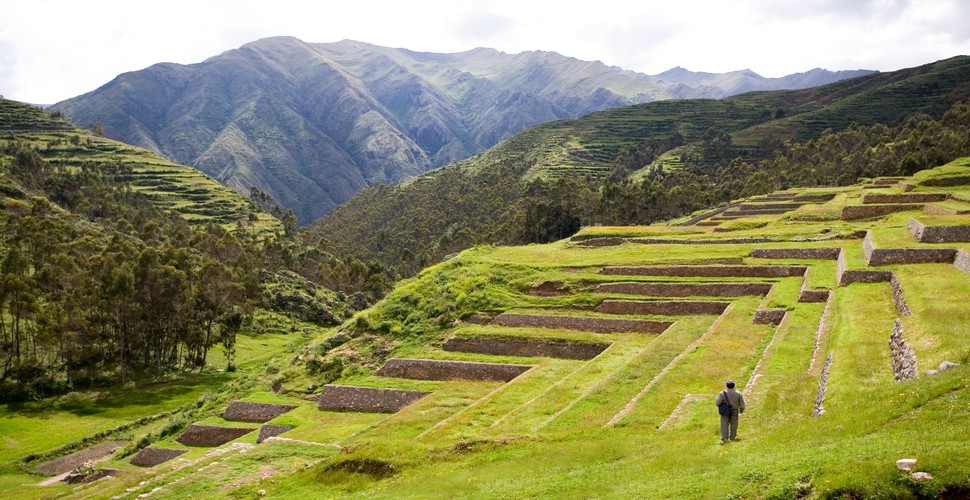
Key Tea Regions in Peru
Peru’s diverse climates and elevations create ideal conditions for tea cultivation:
- Cusco (La Convención): The heart of Peruvian tea production, home to award-winning farms like Huyro and cooperatives in Amaybamba.
- Northern & Central Highlands: Supporting a wide variety of teas through high elevation and favorable climate.
- Junín: Known for organic producers specializing in white needle tea and other premium varieties.
- Arequipa: High-altitude farms yielding fresh, vibrant-flavored teas.
- Pichanaqui: A notable area for quality tea production.
A Brief History and Tea Types
Tea cultivation in Peru started in the early 20th century with Japanese seeds, establishing key farms in Huyro (Cusco) and Huánuco. While Camellia sinensis thrives here – producing excellent green, black, and white teas – Peru shines brightest with herbal infusions. Iconic examples include Muña (Andean mint) and Coca Leaf Tea, traditionally used for altitude relief.
Why Peruvian Teas Feel “Purer”
Grown in nutrient-dense Andean volcanic soils or the Amazon basin, Peruvian teas often skip synthetic chemicals. Many are organic and sustainably harvested, resulting in more potent flavors and benefits compared to mass-produced options.
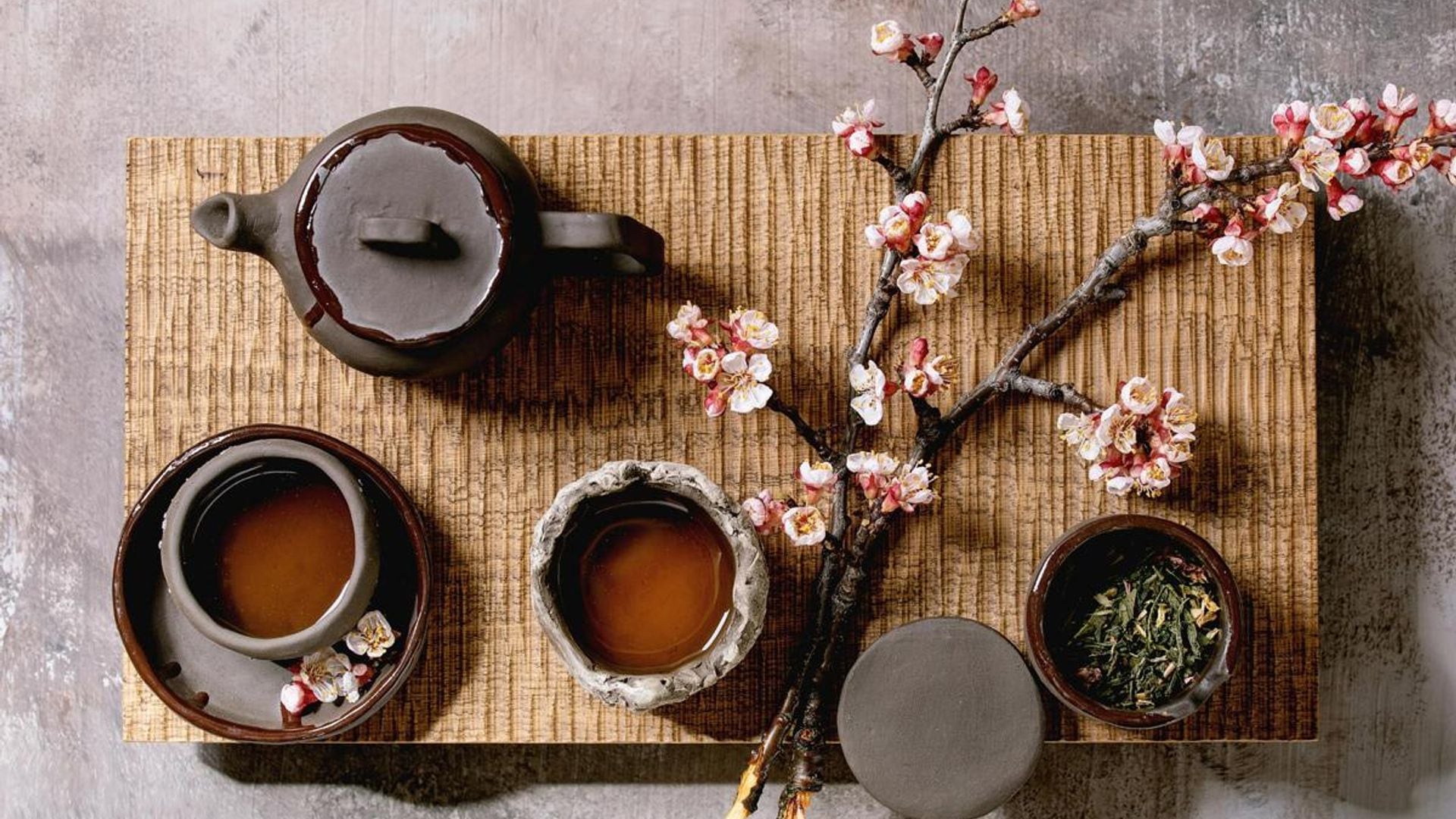
Common Peruvian Teas You’ll Love
- Chamomile (Manzanilla): Whole dried flowers preserve essential oils for superior relaxation and digestion.
- Lemongrass (Hierba Luisa): A household staple with intense citrus notes; calms nerves and aids digestion.
- Black and Green Tea: Smooth, natural profiles from Cusco regions (e.g., Te Wyro).
- Mint (Yerba Buena & Muña): Muña is far more potent than typical peppermint, rich in calcium and phosphorus.
- Anise (Anís): Pure loose-leaf form, perfect post-meal.
Unique Andean Herbal Infusions
Peru’s lesser-known teas draw from ancient traditions:
- Muña (Minthostachys mollis): Potent Andean mint for altitude sickness and digestive health.
- Cat’s Claw (Uña de Gato): Anti-inflammatory and immune-boosting vine.
- Chanca Piedra (“Stone Breaker”): Supports kidney and gallbladder function.
- Maca: Energizing root for hormonal balance (often as powder infusion).
- Hercampuri: Bitter tea for liver health and metabolism.
- Boldo: Leaf for liver and gallbladder support.
- Manayupa: Incan herb for detox and blood purification.
- Horsetail (Cola de Caballo): Key in popular street drinks like Emoliente.
Important Note on Coca Leaf Tea
Mate de Coca is Peru’s iconic highland remedy for altitude sickness and energy. However, coca leaves and tea are illegal to import into the USA, classified as a controlled substance by federal authorities – even in natural form.
At PeruBrew.com, we’ll soon be bringing the best Coffee, Tea, and Cacao from Peru’s farmers to you. Which Peruvian tea are you most curious about or tried? Tell us in the comments!